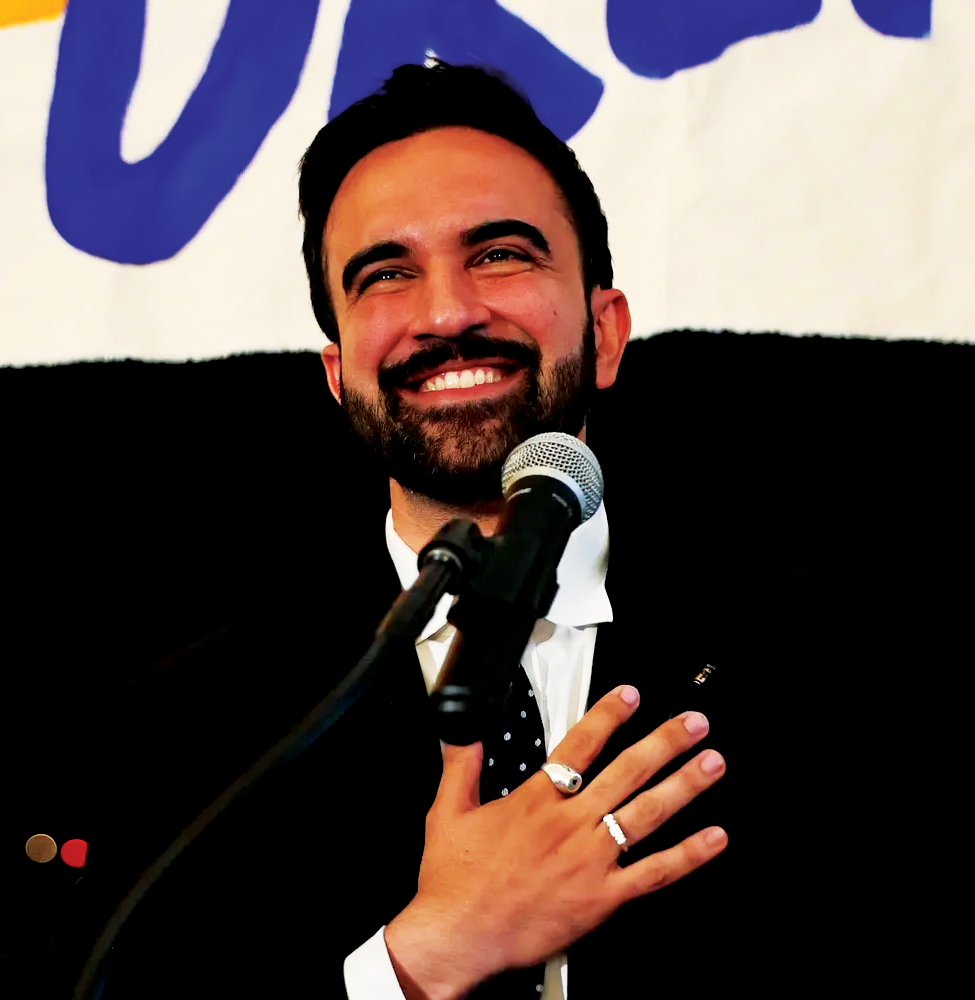
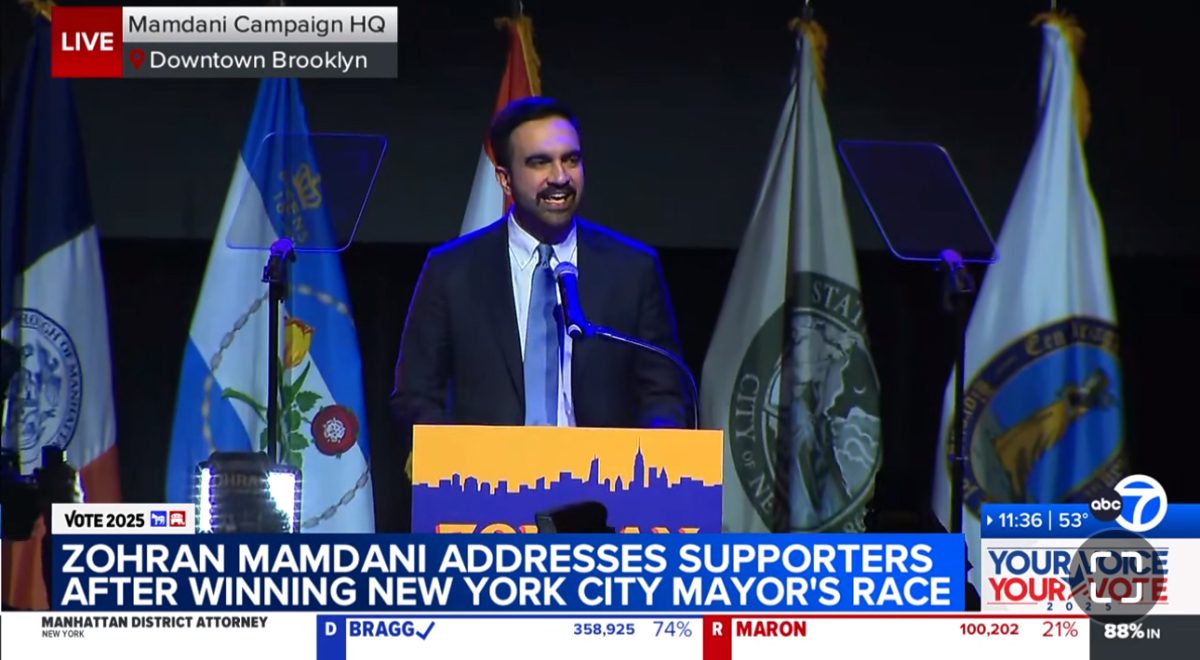
New York, the largest capitalist city in the world, has just elected a democratic socialist mayor. Zohran Mamdani uses a mixture of charisma and utopianism to sell his vision for solving the city’s affordability crisis. His upbeat presentation reassures voters, especially Gen Z, that his policies will function in practice. Yet cities that have adopted similar promises rarely manage to keep them.
Consider his promise of fare-free buses. The idea sounds utopian, and in fact it is, as the real-world record demonstrates.
Kansas City was the first major U.S. city to make buses fully free starting in 2020. Once the Covid stimulus dried up, the program faced major budget shortfalls totaling $30 million. The city recently announced buses will no longer be free in 2026.
Washington, D.C., passed legislation to make buses fare-free in 2022 but ultimately terminated the policy due to a lack of funding.
Salt Lake City introduced “Fare Free February,” a temporary pilot program in 2022, which the city deemed a “success” city. Yet the program hasn’t been reintroduced since, perhaps due to budget strains.
These are just a few examples of many, illustrating the failed adoption of socialist programs in U.S. cities.
Mamdani also promises government-sponsored grocery stores and subsidized childcare. These are ambitious programs that would further strain New York’s already narrow tax base. But the idea, in theory, is to fund these programs through increased taxes on corporations and high-net-worth individuals.
Interestingly, Mamdani’s beliefs contradict the revenue model he plans to enact, declaring, “I don’t think we should have billionaires.”
Without taking from billionaires and high-net-worth individuals, everyone of his policies will crumble, but pleasing the everyday New Yorker with such statements likely took precedence over reality. In fact, that sentiment seems to be the backbone of his entire agenda, grounded in fantasy and detached from an entry-level economics course.
When a city builds its future dependent on high earners, its priority should be keeping them, not driving them away. And if the group that already contributes roughly half of the tax revenue decides to leave, Mamdani’s City of Dreams will begin to resemble a City of Ember—glowing with promise but destined to fail once the power goes out.