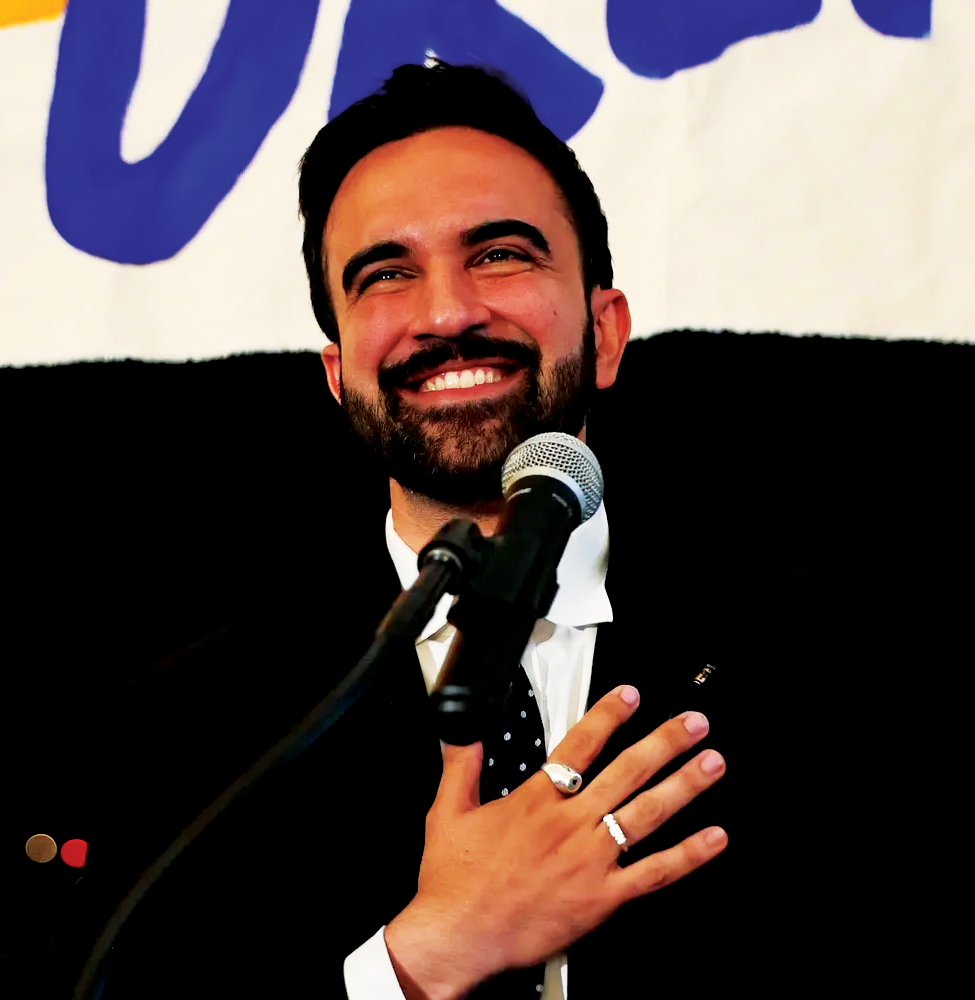
When Zohran Mamdani ran to be New York City’s next mayor, making the city more affordable was a key part of his campaign.
However, just months after taking office, his promises are running into trouble.
Mamdani’s proposals included free access to bus passes for more than a million riders daily and rent freezes for apartment tenants. Analysts had warned that these plans would face major challenges and require billions of dollars in funding, new taxes and approval from state leaders in Albany.
As a result, Mamdani has begun taking smaller steps to put these programs into practice. His push for universal child care has started with limited availability rather than being offered to all residents. Other ideas, such as city-run grocery stores, are still a long way from being implemented.
Mamdani has also stepped back from plans for fully funded bus passes because of cost concerns. The shift shows how quickly campaign promises can change when budgets cannot support them.
One of the main challenges is the cost of the programs. To fund them, Mamdani has proposed increasing taxes on corporations and wealthy residents. However, these proposals require approval from state officials, including Kathy Hochul. At the same time, Mamdani and his administration are facing pressure to close budget gaps, which will likely limit how quickly these programs can move forward.
Mamdani has also pushed for a rent freeze to protect tenants from eviction and is considering raising property taxes. Critics argue that the move could burden renters and contradict the relief he hopes to provide.
Tenant rent payments were frozen in 2015 and 2016 when the city’s Rent Guidelines Board approved a 0% rent increase for one-year apartment rentals under then-Mayor Bill de Blasio. Supporters said the initiative gave tenants immediate relief. However, because maintenance, property taxes and utility payments were still due, housing analysts and landlords argued that delaying rent increases could harm building finances.
Ultimately, Mamdani’s short time in office reflects a broader trend in politics: the difference between campaigning and governing. Policies such as rent freezes and free public transportation are often proposed during campaigns as quick fixes to larger problems. Once a candidate takes office, however, those promises can stall because of financial restrictions, required approval from state leaders and the broader state of the economy.
What begins as a simple campaign promise often becomes a series of compromises.