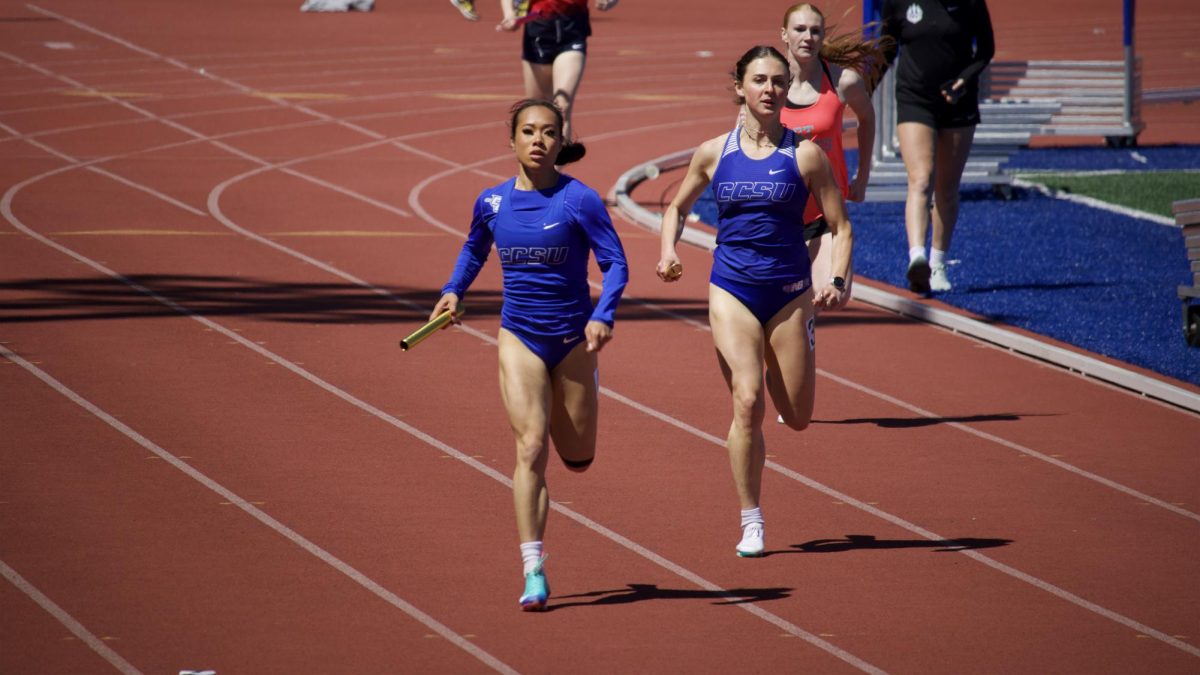
When most people think of Division I athletics, they think of competition, long practices, crowded gyms, game-winning shots and tough road trips.
What often goes unseen is the academic pressure that comes with being a student-athlete. At Central Connecticut State University, more than 400 athletes are managing demanding schedules that include early lifts, late-night travel and hours of practice. Somewhere in the middle, they also must find time to stay on track in the classroom.
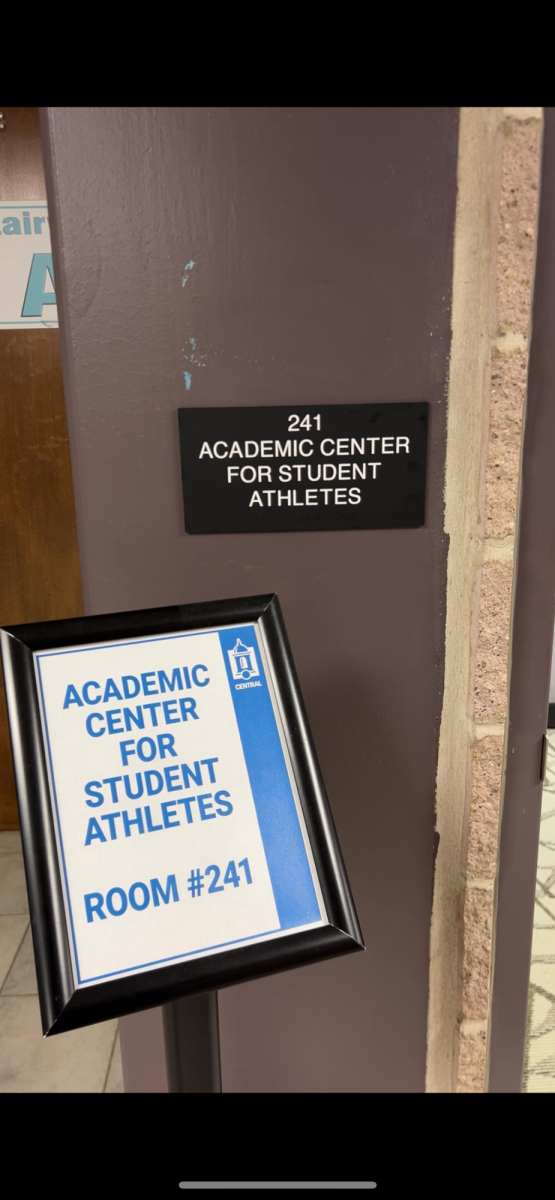
That balance is where the Academic Center for Student-Athletes steps in. Led by director Inez Vera, the center exists to support athletes academically, emotionally and personally to ensure they remain eligible, prepared and steady while navigating the challenges of college athletics.
“When you think of Division I athletes, everyone thinks about the sport they play,” Vera said. “But the NCAA has certain academic guidelines they must meet. We provide the academic support. Just like they have coaches and trainers, we’re the academic part.”
Her team, which includes two full-time advisers, academic mentors and graduate assistants, oversees all 16 Division I programs on campus.
Every incoming freshman athlete is required to complete six hours of weekly study hall and meet one-on-one with an academic mentor or adviser.
Vera said those early months are critical.
“For first-year students, it’s really about the transition,” she said. “They’re learning time management, how to handle their schedule and how to be accountable. A lot of them have freedom for the first time. No one’s waking them up, no one’s making sure they’re going to class. We help them develop those habits.”
Study hall hours, she added, aren’t just about producing homework. They’re designed to create structure in a life where time is scarce.
“When you’re competing, practicing, conditioning and traveling, when are you studying?” Vera said. “Study hall helps them manage their time, especially in-season. Fall and spring look very different depending on the sport, so our support adjusts.”
The center’s resources go beyond desks, tutors and computers. Vera’s team intentionally builds relationships with athletes, something she believes is essential to their success.
“Before we even talk about academics, we ask, ‘How are you?’” she said. “We want our students to feel supported as people first. That’s how you build trust.”
Even though the Academic Center carries an academic title, Vera emphasizes that human connection is just as important. Advisers regularly check in on athletes, especially during heavy travel months or tough stretches of competition. They also help students navigate campus life, mental health struggles, new majors, social challenges and the adjustment to college freedom.
One of her advisers uses a “BMP” (Business, Mental and Personal) check-in to gauge how students are doing on a weekly basis.
“At first students think, ‘Why is she asking this?’” Vera said. “But by the middle of the semester, you can see they look forward to someone checking in. And if the numbers are low, that starts a conversation. ‘What’s going on? How can we help?’”
That support has a real impact on the athletes who use the center every week.
Cross country and track and field runner Cameron McLaughlin said the Academic Center is a crucial space for him and his teammates.
“I think it just relieves a lot of stress on the athletes,” McLaughlin said. “We know we can come here and have a spot where we can do our homework in a quiet place and maintain our grades.”
For McLaughlin, the reassurance of having an adviser consistently monitoring his progress helps keep him grounded.
“You work with your academic adviser to make sure you’re still eligible,” he said. “You don’t really have to worry about certain credits or making sure your grades and attendance are where they need to be. You talk about it weekly, so you always know where you stand.”
He meets with his adviser once a week, like every athlete assigned to the center.
“There’s a couple advisers here and they each [are assigned to] different sports,” he said. “You set up a time at the beginning of the year and then meet once a week to talk.”
Vanessa Frangiadakis, a freshman on the women’s soccer team, who uses the center several times a week, said time and travel make academic life especially difficult for those in season.
“I find this place super helpful,” she said. “The staff is very helpful with trying to manage my schedule. When it’s hard, especially on travel days, sometimes we’re missing classes. They’re super helpful with keeping in touch with professors and making sure we’re getting the work done.”
What makes the biggest difference, she said, is accountability.
“Being here six hours a week kinda holds you accountable,” she said. “When you have limited time between travels, practices and games, it’s hard to find the time to do everything, especially when you’re tired late at night. This place encourages you to get your work done.”
Accountability is one of Vera’s biggest goals.
“You said the word,” she said. “It’s accountability. Some students weren’t challenged in high school. Some were high achievers but never had to manage so much at once. College introduces freedom, and sometimes students have to learn the hard way. That’s okay. We remind them we’re not here to judge them. We need honesty so we can support them.”
That support changes as athletes progress through their college careers. Freshman year focuses heavily on routine, study skills and time management.
Sophomore year can bring new challenges: major changes, frustration with playing time or a desire for a different environment.
Junior and senior athletes shift toward internships, career planning and preparing for life after sports.
Every stage requires something different, and the Academic Center works to meet athletes where they are.
“We’re building them for life,” Vera said. “We want them ready for careers, ready for internships, ready to be successful beyond their sport.”
And that is ultimately the heart of the center’s mission. Vera sees every graduation year not just as a list of names, but as a culmination of years of conversations, coaching, oversight and growth.
“Students look at academics as something separate from athletics, but we’re showing them it’s connected,” she said. “The same discipline they show in practice should show up in the classroom.”
In the end, the center is much more than a place to do homework. It is a community of support, one that most fans will never see, but every athlete relies on.
“We want our athletes to feel seen, supported and cared for,” Vera said. “At the end of the day, we’re helping them win long after their last game.”