As the U.S. Department of Education moves to privatize student loans, more than 500,000 borrowers in Connecticut could be affected.
Secretary of Education Linda McMahon has begun to phase out the Saving on a Valuable Education (SAVE) plan and has narrowed the definition of qualifying for loan forgiveness under the Public Service Loan Forgiveness (PSLF) Buyback program, part of a broader shift in federal student loan policy.
As this situation unfolds, not every lawmaker supports the decision or believes McMahon has the power to eliminate these programs without consulting Congress.
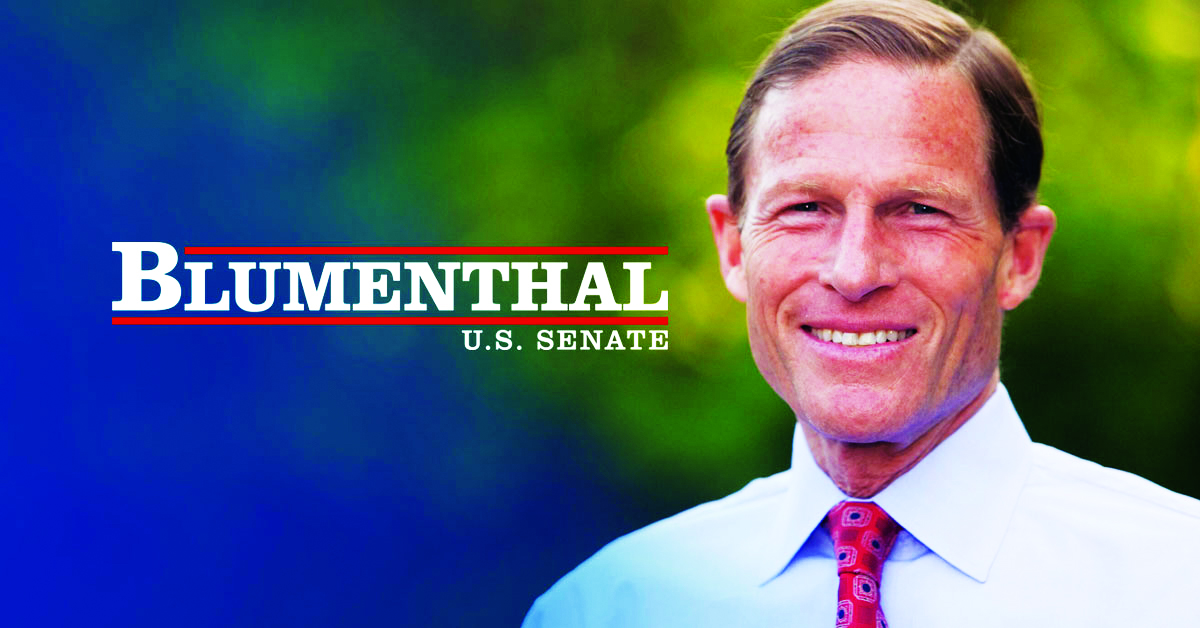
“I believe there’s no authority for the administration to make this unilateral decision without Congress,” U.S. Sen. Richard Blumenthal, D-Conn., said. “I’m challenging the legality of the Trump administration narrowing the definition of qualifying for public service employment under PSLF, and I’m joining my colleagues in calling for the department to follow the law and protect PSLF.”
Amid this uncertainty, the options that remain available to borrowers who structured their financial plans around these programs are complicated, according to Blumenthal.
“Different people may have different options and they should consult their servicers,” Blumenthal said. “The Republicans have unilaterally decided to phase out the SAVE plan by 2028, so there is some time between now and then to take advantage of it.”
The One Big Beautiful Bill Act, a Republican-backed measure signed by President Donald Trump on July 4, 2025, also eliminated the Income-Contingent Repayment (ICR) plan and Pay As You Earn (PAYE) plan, which Blumenthal says narrows the options for borrowers.
“I am going to work to reverse the elimination of the SAVE income-driven repayment plan before 2028 so that students can still take advantage of it in the meantime,” Blumenthal said.
Blumenthal is also pursuing oversight and legislative efforts in response to the changes.
“Congress has a responsibility to protect the integrity of federal student loan programs that borrowers rely on when making financial and career decisions,” Blumenthal said. “I have been pressing the U.S. Department of Education for transparency about any proposed changes and supporting efforts to ensure programs like Public Service Loan Forgiveness remain accessible.”
Blumenthal also expressed concern about broader instability within the Department of Education and the potential impact on federal aid programs.
“I am concerned that instability at the U.S. Department of Education could create barriers for students and families who rely on federal financial aid,” Blumenthal said.
Borrowers who will be most impacted by the elimination of these programs are those with low incomes, and Blumenthal said the effects could span professions and occupations, including electricians, carpenters and others who rely on borrowing for their education.
Blumenthal warned that changes to loan forgiveness programs could have long-term impacts on the workforce across the nation.
“If these incentives are weakened, fewer students may choose public service careers,” Blumenthal said. “Communities could feel the impact through staffing shortages in critical fields.”
Blumenthal disagrees with McMahon’s assertion that loans are given to borrowers at the expense of taxpayers and believes that every tax dollar spent on loans is an investment in the country’s future.
Whether it is national defense, particularly defense contractors he sees frequently because he serves on the Armed Services Committee and visits Electric Boat, Pratt & Whitney and Sikorsky, or workers in the health care profession, Blumenthal said the investment benefits the public.
“The taxpayer is making an investment in the workforce that benefits them,” Blumenthal said. “In any line of work there is a benefit to the public of having skilled and talented people with the right education serving in these important roles and creating public good. They drive economic growth, and an investment in education is not money thrown out the window.”
In terms of planning financially amid the uncertainty, Blumenthal urged students to consult their counselors because they can provide advice tailored to each individual’s needs based on what they are studying and their economic circumstances.
Blumenthal also urged students to stay informed and explore ways to reduce borrowing.
“Students should stay informed about changes to federal repayment and forgiveness programs and speak with their school’s financial aid office regularly,” Blumenthal said.
At Central Connecticut State University, 49% of undergraduate students borrow federal student loans, according to a 2024-25 Integrated Postsecondary Education Data System survey conducted by the Financial Aid Office. Recent changes to forgiveness programs have led to apprehension on campus, according to office officials.
“Borrowers are hesitating to switch plans until there is greater clarity,” said Student Financial Services Director Keri Lupachino. “Some graduates are delaying major financial commitments, home purchases, relocation decisions.”
According to Lupachino, the main concerns students have voiced are whether the payment plan they are currently using will continue to count toward PSLF and whether rules could change after borrowers have already made career or repayment decisions based on existing programs. She said the recent changes have led to an increase in one-on-one counseling appointments.
The Financial Aid Office directs students to speak with their loan servicer or check Federal Student Aid for the most up-to-date information.
Lupachino said students are likely fearful at the moment due to a lack of guidance from the federal government regarding student loan forgiveness programs.
“Federal loan programs have undergone multiple changes in a short period,” Lupachino said.
The Financial Aid Office communicates federal changes to loan programs to students through targeted emails and updates on its website. Lupachino also offered advice on how students can best plan financially for forgiveness programs amid ongoing changes at the federal level.
“Certify qualifying employment annually for PSLF and keep detailed records of employment and payment history,” Lupachino said. “Enroll in a qualifying income-driven repayment plan as confirmed by federal guidance. Monitor communications directly from their loan servicer and Federal Student Aid.”
Blumenthal said he understands the level of apprehension students and families are experiencing amid the uncertainty.
“I want Connecticut students and families to know that you are not alone in this uncertainty and frustration,” Blumenthal said. “Your education and financial security are a priority, and I will continue working to make sure federal programs support Connecticut families.”