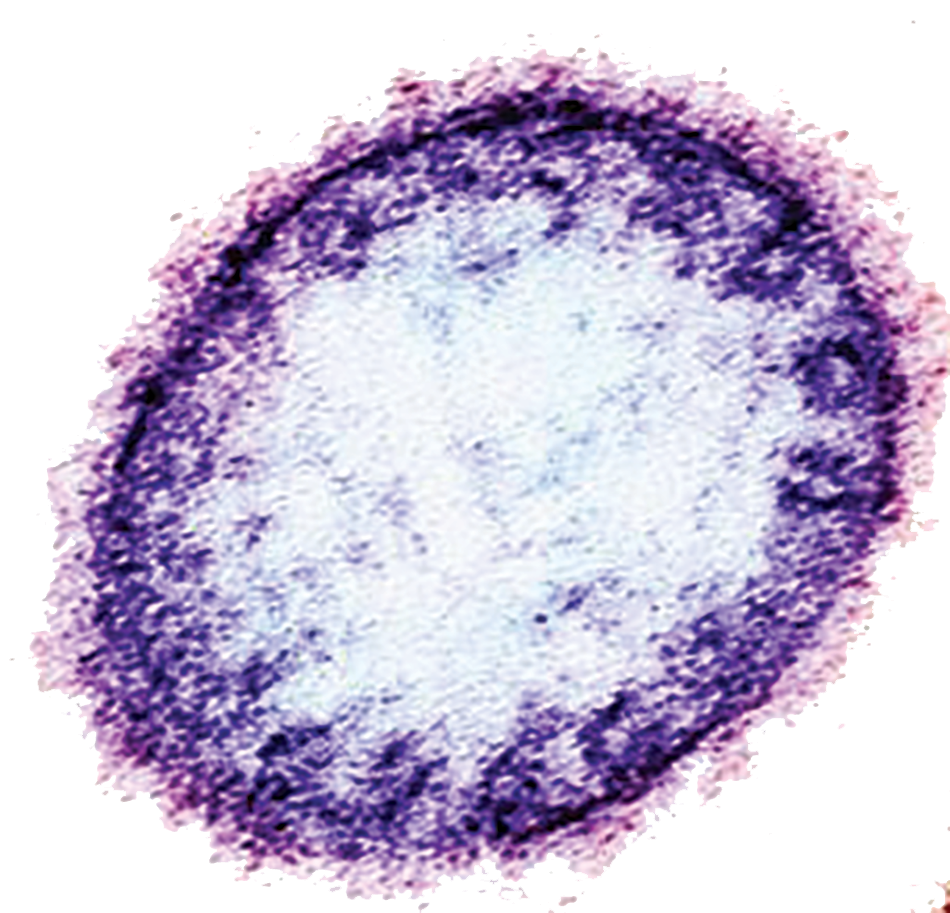
The recent Nipah virus outbreak in India has sparked fear across the world as many are voicing concerns similar to the early days of the COVID-19 pandemic.
After living through lockdowns and isolation, and hearing about new cases increasing every day, people are taking this news in with a level of fear that likely would not have been experienced before the pandemic, especially given that there is currently no vaccine for the Nipah virus, much like the situation when the COVID-19 virus originated in China, according to the CDC.
The Nipah virus is a zoonotic virus, which means that it mainly spreads from animals to humans, while the risk of human-to-human transmission is low but possible, according to the World Health Organization (WHO).
It was first identified in 1998 during an outbreak among pig farmers in Malaysia. Researchers later discovered that the main transmitters of the virus are fruit bats.
Symptoms the virus can cause in humans include fever, headache, cough and trouble breathing. There have also been instances of severe cases that have led to inflammation of the brain. Scientists, including those at the WHO, consider the Nipah virus to be a threat, especially because there is no widely available treatment or approved vaccine for the virus when this article is being written.
However, this does not mean that another pandemic is coming, but officials say the outbreak should be taken seriously.
In addition to India, the Nipah virus has also recently been detected in Bangladesh with two fatal cases, according to Samaan Lateef, an Indian-based journalist.
In Bangladesh, some of the infections were linked to contaminated palm sap. In India, small infections prompted a quick response, with more than 100 people quarantined, along with testing and contact tracing. Health agencies are continuing to monitor the Nipah virus because of its severity and its potential to spread rapidly.
Although it is important to remember that the Nipah virus outbreak has been well contained, it is not spreading across the world like COVID-19.
However, even with this difference, there is still a large amount of apprehension among the public. This is likely due to the fact that the COVID-19 pandemic proved that outbreaks in certain countries do not always remain contained, and that prompt responses can determine the outcome of an outbreak.
Social media has proven to make fear even worse. Posts put out on platforms like Instagram and X, formerly Twitter, without any context, can quickly spread across the app within minutes and terrify viewers.
I understand this reaction because I grew up living it. I was only 14 years old when the COVID-19 pandemic began, and like many students, I was unable to see my friends in person out of fear for my health and the health of those around me. News of a new virus brings back horrific memories of isolation, uncertainty and not being able to do anything.
The Trump administration should take this situation seriously, especially since, during his first term in office, President Donald Trump downplayed the threat of the COVID-19 virus when it first began to spread in different countries. By the time he declared it to be a national emergency, there were not enough tests, masks and personal protective equipment available. His administration can atone for this by ensuring that the United States is as prepared as possible for another potential outbreak, although no cases have been detected in the country.
Ultimately, following the COVID-19 pandemic, the world has learned how quickly a virus can turn into a global health emergency. This explains why news about the Nipah virus has caused people to be concerned.
The Nipah virus outbreak is a reminder that diseases will never disappear, but if we remain vigilant, we can manage future outbreaks more effectively without repeating the mistakes of the early days of the last pandemic.