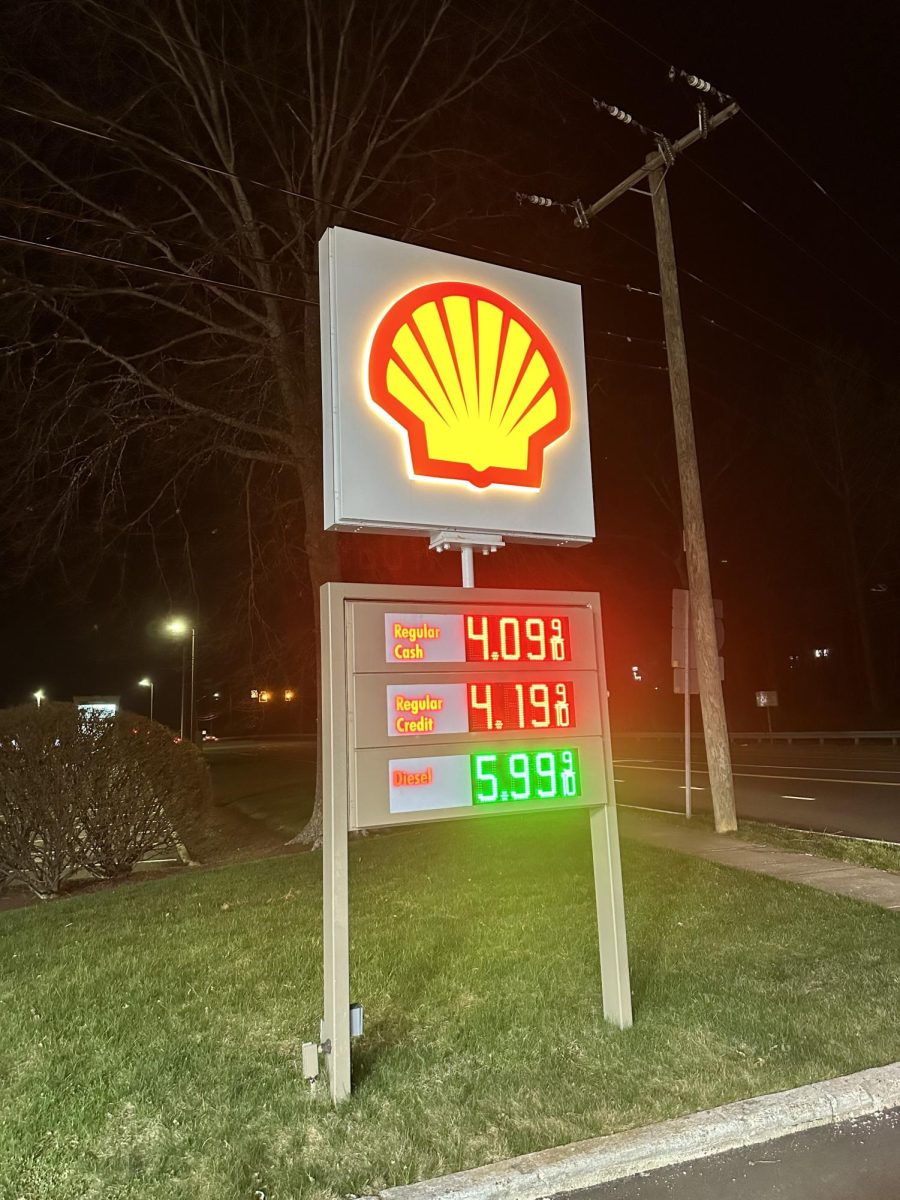

Full-time CCSU students pay for 18 credits per semester, but the average student takes only 14.5. This discrepancy means roughly $1,250 worth of tuition goes unused each term, and over time, it adds up to about a semester behind an 18-credit pace. For commuter students — the majority of CCSU’s population — the impact is even worse. Gas costs, longer commutes, and the opportunity cost of hours spent on the road make each credit marginally more expensive.
But this problem isn’t exclusive to full-time students or commuters. CCSU’s own data show that the average number of credits taken per undergraduate has slipped to a decade-low level, meaning students across the board are taking fewer classes than they used to, further delaying their expected graduation dates.
This decade-low average isn’t happening because full-time students suddenly started taking fewer credits — they’ve hovered around 14.5 for years — but because part-time students now make up a larger share of the student body. From 2024 to 2025, part-time undergraduate enrollment increased by 36%, pulling down the overall average and slowing credit accumulation. Over the same period, the average number of credits taken by part-time undergraduates dropped by 18%. Whether an undergraduate is part-time or full-time, it’s clear that both groups are taking fewer classes than they should be.
This slowdown in degree progression translates into lost wages, extra commuting costs, and delayed entry into full-time employment, and it is often caused by elements outside students’ control.
For example, most upper-level major requirements at CCSU are only offered during one time slot each semester. If that class conflicts with work hours or another required course, students have no way to add an extra class. Commuters feel this the most, as adding another class can add hours to their daily schedule, especially if there’s a long gap between courses.
However, the most practical solution already exists within CCSU’s offerings. Online courses give students the flexibility to complete degree requirements without interfering with already packed schedules. Taking an online class instead of skipping one can be the difference between graduating in four years and paying for a fifth.
Students need to take advantage of these options, and CCSU needs to make them far more visible. If the downward trend in credit loads continues, degrees will take longer and cost more for the average student than they used to. At a time when college already costs tens of thousands of dollars, students shouldn’t be slowed down by a system that makes it difficult to take the credits they’re already paying for.