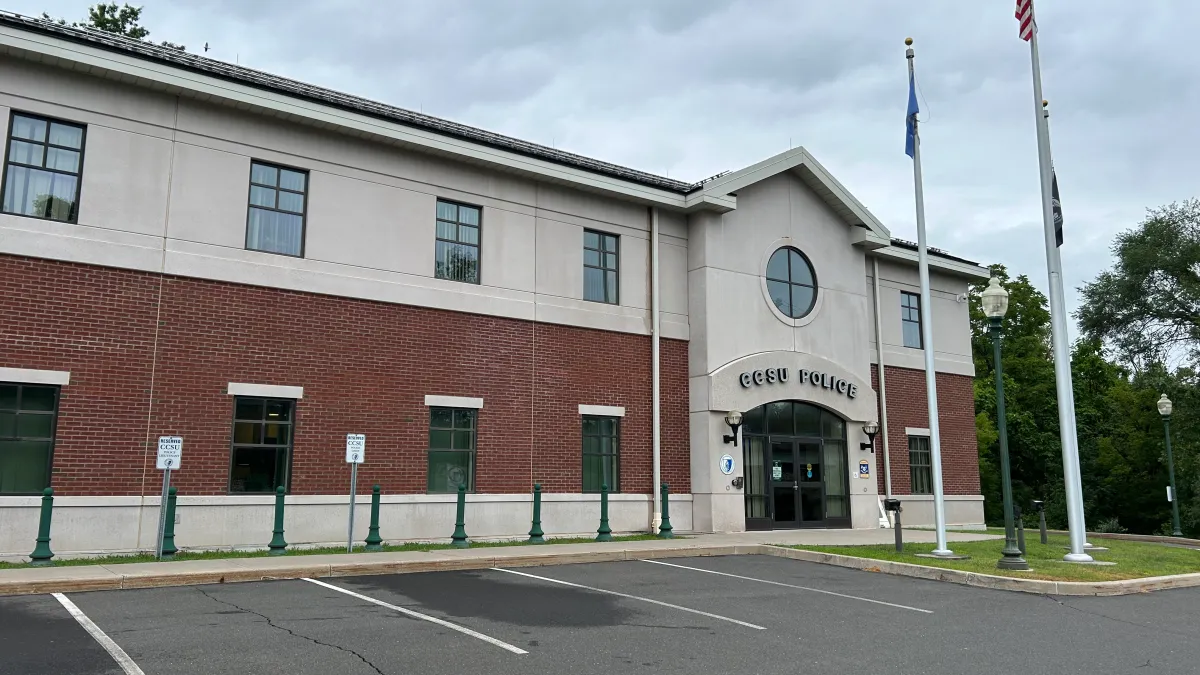
At Central Connecticut State University, campus safety officials say they are intensively working to clarify how incidents such as sexual violence, stalking and intimate partner harm are defined, reported and responded to under the Jeanne Clery Act and state statutes.
“Dating or intimate partner violence, also known as domestic violence, includes acts of violence or threats of violence between individuals in current or former relationships,” said Sean S. Grant, chief of police and director of public safety at CCSU. “That can include boyfriend or girlfriend altercations. It is not limited to physical abuse. It can also include emotional abuse or threats.”
Grant said stalking remains one of the most misunderstood categories among students. “Stalking involves unwanted or obsessive contact that causes reasonable fear or disrupts daily life,” he said. “It could be repeated texting, following or sending unwanted gifts.”
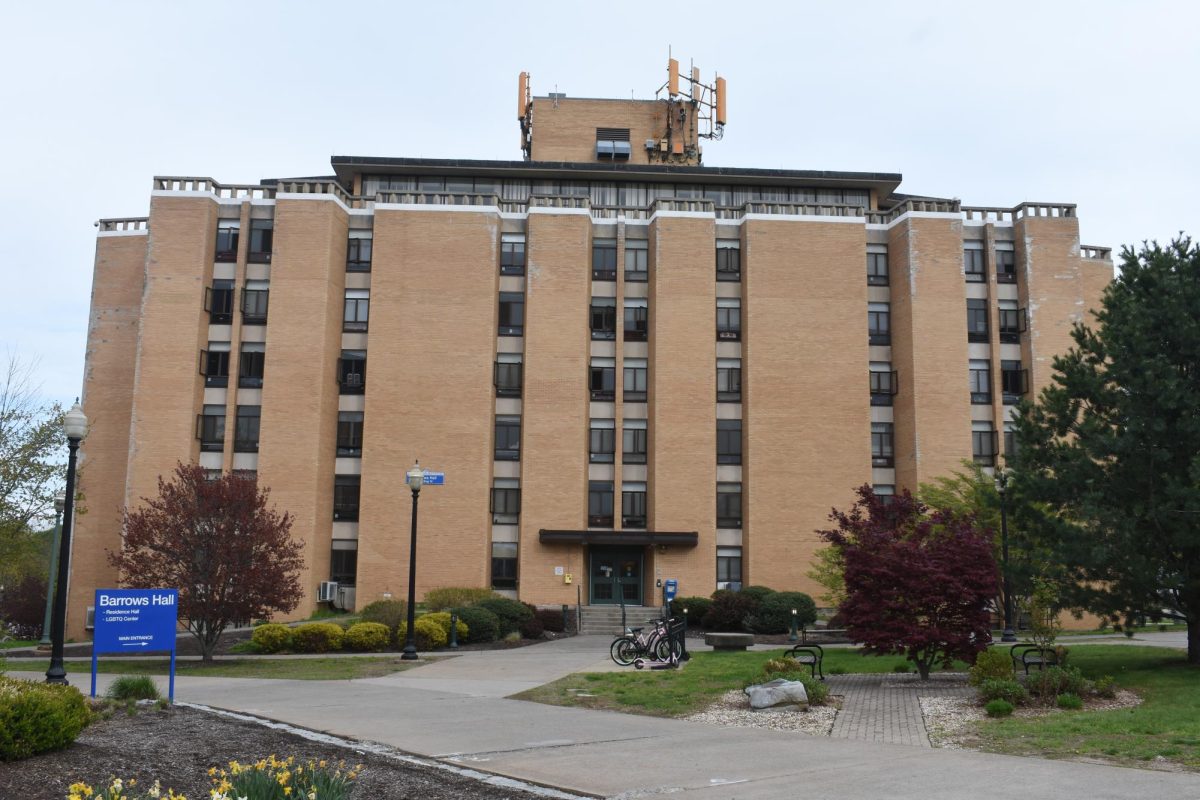
According to CCSU’s latest Clery report, the university recorded four rapes on campus in 2024, all of which occurred in student housing. That number declined from three rapes in 2023 and eight in 2022, creating a three-year downward trend. Fondling reports have remained steady, with three cases reported each year from 2022 through 2024, including one case annually in student housing. No incidents of incest or statutory rape were reported in that period.
The report also shows broader shifts in campus crime patterns. Motor vehicle theft increased significantly, rising from one incident in 2023 to six in 2024. Aggravated assault appeared twice in 2024 and twice in 2022. Robbery was reported once in both 2023 and 2024. Burglary and arson were not reported in any of the three years.
Grant said the distinctions among Clery categories such as rape, fondling, incest and statutory rape are essential because each classification represents specific behaviors and legal thresholds. These distinctions determine not only how cases are recorded but also how campus police and the Title IX office respond.
Lisa M. Leggett, sexual assault and violence prevention specialist in CCSU’s Office of Victim Advocacy, said the numbers do not tell the whole story. “Many survivors choose to seek confidential support through the Office of Victim Advocacy rather than file a formal report,” she said. Students can receive academic support, housing accommodations and assistance with civil protective orders without beginning a formal investigation.
Jodi M. Latina, associate vice president of communications and media at CCSU, said the university monitors these incidents closely and works across departments to strengthen transparency and campus safety. She said the annual report is paired with student outreach so that individuals understand their rights, reporting options and available resources.
The Clery report outlines how incidents are classified based on factors such as the degree of the offense, the age of the parties involved, the capacity to consent, levels of incapacitation due to alcohol or drugs and whether coercion or force was used. These variables determine how an incident is categorized and whether it is processed under misdemeanor or felony statutes.
Across Connecticut’s state universities, the most recent reports show similarly low but not nonexistent numbers of sexual violence, dating violence and stalking. While figures vary among institutions, officials across the system note that reported cases often reflect both evolving awareness and changes in student willingness to come forward. That context matters at CCSU, where rape reports have decreased while intimate partner violence and stalking remain persistent concerns.
Campus officials say prevention efforts including The Clothesline Project, Denim Day and interactive bystander intervention workshops are helping raise awareness, encourage reporting and connect students with advocacy services earlier.
As CCSU continues refining its definitions, reporting procedures and response systems, officials say their primary goals remain safety, prevention and ensuring that students feel supported and heard.