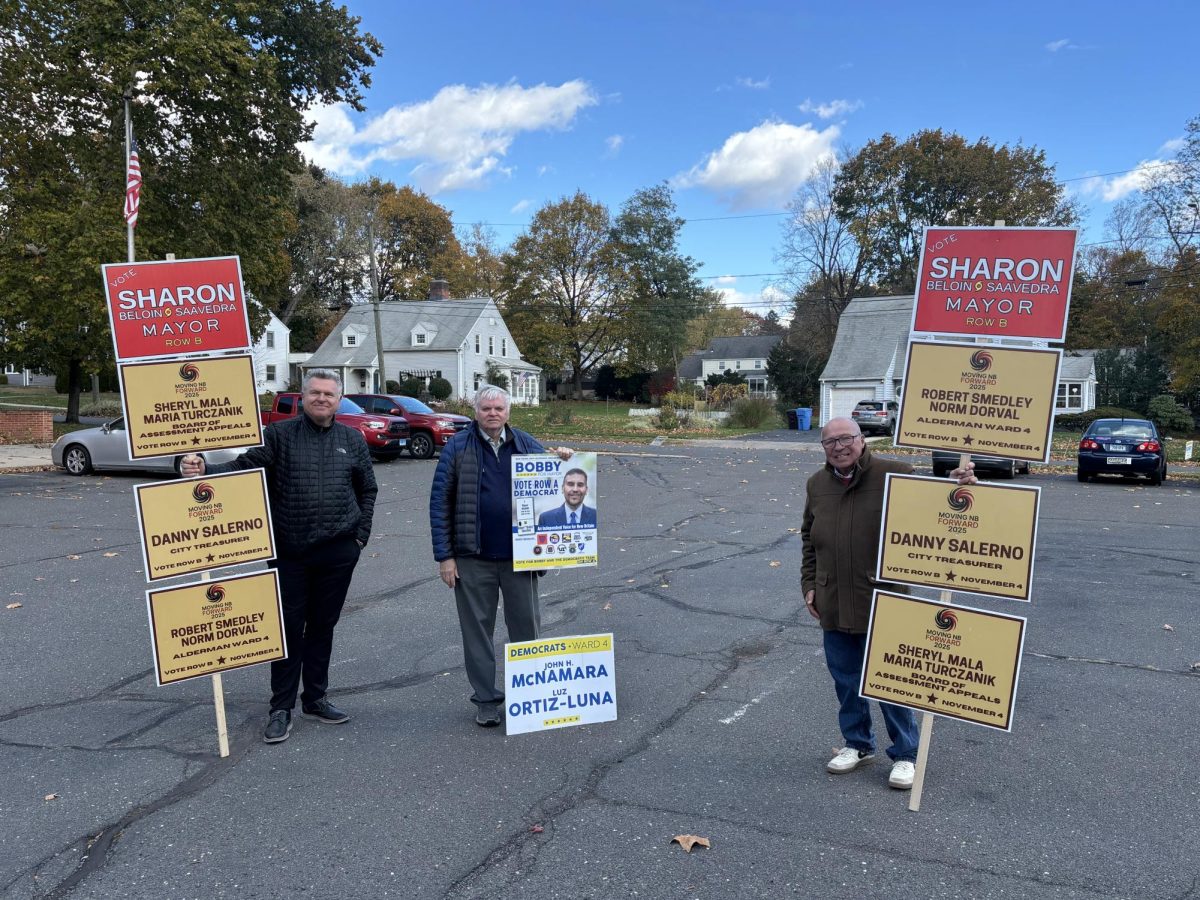
On a brisk election day in November, Peter Varhol, a poll moderator who has worked the polls at St Francis of Assisi Church in New Britain for over six years, greeted each voter with a smile and handshake. The room was filled with people from all walks of life. However, of those who walked through the door, very few were under 28.
Central Connecticut State University, which is only three blocks away, is home to nearly 9,000 undergraduate students. Out of the seven students interviewed, aged 18-24, only one had voted in their local election.
The singular voter was Sullivan Bartalotta, a 20-year-old from Rocky Hill. He considers himself an informed voter and wishes more voting-aged youth would find the time in their day to support their local candidates.
“When it comes to politics, I feel it is very mixed. Some people are very informed and do appreciate the democratic process we have. But generally, youth need to take more time in their day to get informed and vote for the candidates who they genuinely support,” Sullivan Bartalotta said.
Peter Varhol voiced similar concerns about the lack of Gen Z voters.
“Our obligation as American citizens is to get out here and vote,” Peter Varhol said. “I am ecstatic each time a new young buck voter comes in, because they are the future. However, it’s not as many as I would like. I want the younger generation to realize this is your country, and if you want to see a change in your community, this is how you do it. To put it simply, many need to get off their lazy behinds and do something about it. Because if you don’t give a damn now, when will that change?”
While youth voter turnout was low in the morning and during early voting, Varhol hopes younger voters will turn out later in the day.
Although those interviewed didn’t vote, all of them emphasized the importance of local elections.
Two of the students who didn’t vote but understood the importance of our local elections were Manny Demiraj and Chris Tasho, 18-year-old students from Waterbury, CT.
“I find that a lot of Gen Z are either super into politics or are completely burnt out from it,” Manny Demiraj said. “Me personally, I am not involved as politically as maybe I should be, especially at the local level, where many of these decisions have direct impacts on the community we live in. And I think a lot of Gen Z can relate to that feeling.”
The students interviewed all expressed feelings that the presidential elections are when people actually start getting involved in voting.
This is consistent with data from Tufts University, which saw 47% national youth turnout for the 2024 presidential election but only 23% for their local elections in 2022.
As the gap of youth voter turnout continues to widen, there is a common sentiment amongst voters and non-voters alike. Gen Z youth must do more to make their voices heard and fulfill their civic duty by voting.