
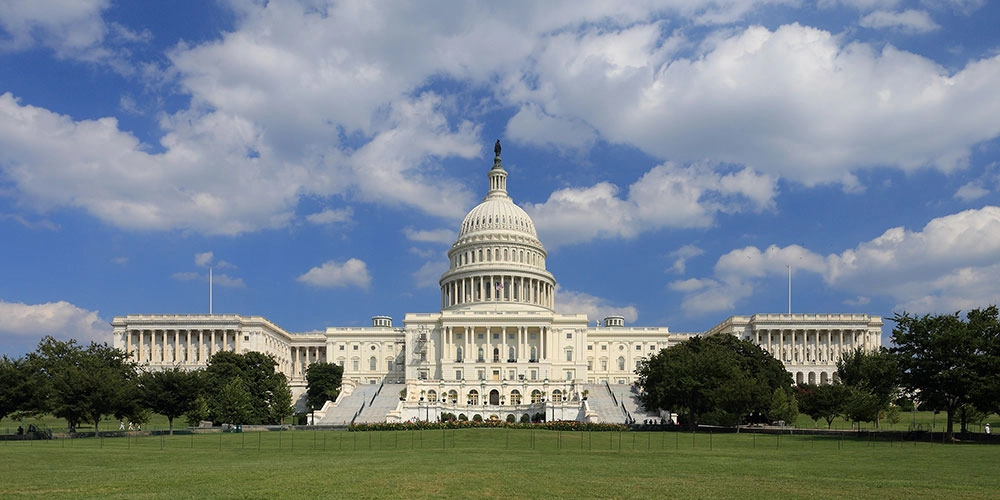
The federal government has been shut down for nine days. Nine days of quarreling, nine days of thousands of federal employees not receiving compensation for their work, nine days of bottomless uncertainty.
Sept. 30, 2025, marked the end of the fiscal year for the government, and with its conclusion, Congress gathered to pass a series of bills that deal with funding numerous key government operations and services.
According to a report from the Congressional Budget Office prior to the shutdown, up to 750,000 jobs could be lost per day, with their total compensation lost reaching roughly $400 million daily while the nation stays shut down.
The fallout doesn’t stop there.
Non-active-duty military personnel are not deemed essential workers, so they will lose out on benefits until the Senate reaches a consensus. Reductions in consumer spending are evident because of the principles of supply and demand. As well as national parks and monuments continuing to be accessible to the public, with no employees receiving pay for the work they are doing.
In 2019, the shutdown amounted to an estimated loss of $3 billion in five weeks that had no way of being recovered. It is projected that the United States may surpass that number within the first week of the shutdown.
The shutdown stems from a funding dispute, with neither Democrats nor Republicans willing to compromise on their budget priorities. The bills require 60 votes to pass, but the most recent Senate vote failed at 51–47, according to the Senate’s official website.
With requests for back pay being rejected by President Trump, the National Guard being deployed to Washington, D.C.; Chicago, Ill; and Memphis, Tenn, as members of Congress continue to get a paycheck, many questions are being raised by citizens about the legitimacy of what’s taking place.
President Trump previously expressed a willingness to negotiate with Democrats but later stated he would not engage in talks until they vote to end the shutdown.
The Democrats are lobbying for health insurance tax credits, while Republicans are looking to prevent that from happening and are actively trying to resolve the shutdown so they can delay further negotiations until Nov. 21.
A pivotal moment to look for in these negotiations is which side is willing to relinquish their portion of control, but essentially power over the other party as well. With the outcome shaping the nation’s future, it is crucial that citizens stay informed and aware of the situation.
As Americans grow increasingly weary, many hope for a swift resolution.